
In Psalm 51 King David prays to God, “O Lord, open my lips, and my mouth will declare your praise.” David is heavy hearted and burdened by his past misdeeds, he’s got a guilty conscience. He’s done some awful things, but David knows that if he presents his guilt to God to be dealt with, then he’ll be able to sing out loud again, and declare God’s greatness. It was so important for David to be able to worship his God with song and spoken words, and so many of his psalms are songs of praise.
As humans God designed our anatomy so that we have the physical capacity to speak and to form words which carry meaning and intention. Once we learned how to talk, everything changed for us as humans. I’ve been watching a documentary series called First Footprints, and it’s all about Aboriginal cultural history. It’s fascinating, it’s hosted by Ernie Dingo, who if you don’t know, is a comedian, actor and TV presenter, who comes from the Yamatji people in Western Australia. I saw him perform many many years ago during the Adelaide Festival, he was so funny. I’ll never forget it; he played didgeree doo on a vacuum cleaner hose, of all things. It sounded great!
This documentary went to important cultural sites and it looked at the area around Lake Mungo containing the archeological evidence of the oldest habitation of Aboriginal people, possibly pushing back the timeline to 70,000 years ago. A staggering length of time. Aboriginal culture has been maintained over the millenia simply through oral tradition. Elders today will tell the dreaming stories, of the rainbow serpent carving out the river beds, and the seven sisters up in the night sky, and they teach their law, which is handed down to young men at initiation, sometimes called secret men’s business. There was no writing at all. But a lack of written language didn’t stop Aboriginal people having a rich and complex culture and social system that was passed down intact solely through the spoken word. How amazing is that?
We, on the other hand, have to write everything down, we’re a writing culture, we don’t memorise things as part of our transmission of knowledge anymore, if I don’t have a shopping list, I’m hopeless. Written language makes for a complex and multilayered culture, but does this make a culture resilient? I don’t think so. What if the internet crashed worldwide? There has been so much stuff written and recorded since the internet arrived, millions upon millions of bits of information… our thoughts, our literature, all those thousands and thousands of blogs, and Youtube videos, all on the cloud and digital. If the internet crashed, it would all be gone. This is just a hypothetical of course, but if that was to happen, well, it would be like the Dark Ages, all over again.
During Jesus’ ministry, the disciples would not have written down a lot of what Jesus said. Jesus sent them out and they preached, they didn’t hand out flyers. But then a big part of their audience couldn’t read anyway. We don’t know for sure if the disciples were literate, Matthew maybe because he was a tax collector. I can imagine the disciples talking amongst themselves, saying things like, “you know, Jesus said such and such last week,” and then another one of them would correct him and say, no wait, hang on a minute, I think you’re wrong there, I’m sure he said such and such.” And then the story would be corrected and refined. I’m sure that they tried very very hard to get it right and Jesus would have trained them very well.
Eventually, Jesus’ words would be written out by hand, and most probably the Gospels would have been dictated to scribes. There wouldn’t have been that many copies and they would have to keep them hidden from enemies. Only scraps and fragments of these scrolls and books remain today, but the great thing is that, from what scholars can work out, the Bible we have today, particularly the King James version, is very close in content to the original Greek manuscripts. We have to keep in mind though that the oldest of these writings date back to about twenty or so years after Jesus’ death. During those years Jesus’ good news was spread by word of mouth. Knowledge was preserved because, fundamentally, they talked the words, and they relied on repetition and memory.
Jesus remembered the Torah and when he preached he quoted the Old Testament quite a lot, it was all in his head. Even when he was on the cross, and he said “my God, my God why hast thou forsaken me.” This is actually the beginning of Psalm 22. Hearing and remembering was how most of the people at the time would have received scripture and the Law, from listening to it and repeating it constantly until it became a part of them.
When I was going to school we were taught many prayers, and I committed a lot of them to memory, they’re part of my wiring now. And I’m sure you all have prayers that you know like the back of your hand. You don’t have to try to remember them, the words just come out, and they’re so beautiful to hear when they are spoken out loud. It’s impossible to not feel moved when we hear the Lord’ s Prayer, or John 3:16, spoken out loud. Saying them in our heads is just not the same. Next time when you’re alone and reading the Gospel, try saying Jesus’ words out loud, it’s a totally different feeling, it’s like he’s speaking to you across the centuries. The spoken words get under our skin, they go deeper than something that we have to decode just with our eyes. Speech can heal, it can hurt, it can raise people up, and bring them down. Speech can motivate people to do wonderful things.
It was only in 1440 when Johannes Gutenberg invented the printing press that multiple copies of the Bible could be disseminated, and so the literacy rate went up among the people because of this new technology. Now we read read read, and I think the art and skill of communicating with speech is suffering. I know that, personally, having lived in a remote and isolated situation for so many years affected my talking skills. So living in our little town for the last six or so years has been a crash course in conversation and communication. It is such a social and sociable place, I just love it, and I realised pretty quickly that I had been missing out on this important part of life when I was living in the bush. But I’m happily making up for it.
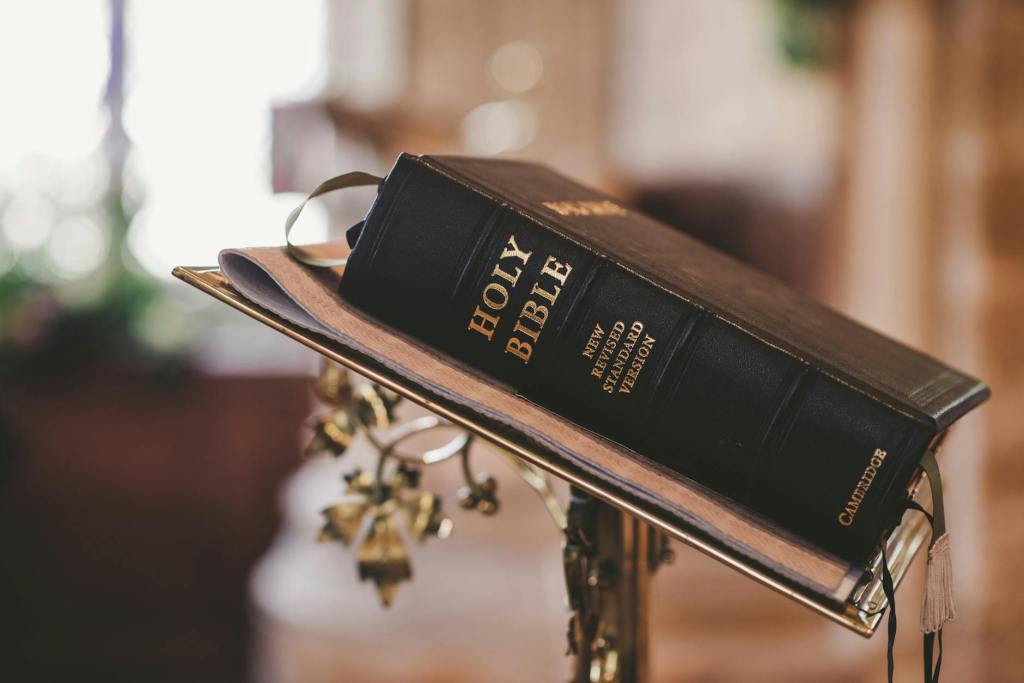
The Bible is central to our understanding of our faith, it’s so very important, but the written word is not the only thing. Many people don’t read it, for many it’s just too difficult, sometimes we don’t have the time to sit down and read it. So it’s important for us to receive the word through hearing it. The Holy Spirit opens the portals of our ears, and he opens our mouths too, and we can see that in the events of Pentecost. And it doesn’t matter which language he uses as a vehicle for his great wisdom, the Spirit is multilingual.
Jesus spread the word by talking to people, in big groups, in small groups, even just one on one, with people like Bartholomew and Nicodemus, and so wonderfully with the Samaritan woman at the well. Sometimes he talked himself out, and had to go somewhere quiet to be alone. Speech is an emotional connection, the vibrations of the sound go straight to a person’s heart. The written word is not able to convey emotion to that degree, it’s just not the same. I’m sure we’re all familiar with Dorothea Mackellar’s poem My Country, a beautiful uplifting and inspiring work. Well the other evening I heard a recording of Dorothea MacKellar reciting her own poem and it had an extraordinary effect on me. I love my country but hearing her speak those words, “core of my heart my country”, got me all choked up. It made me realise just how much I love Australia.
Today we celebrate Palm Sunday, and Jesus’ triumphant entry into Jerusalem is a concrete demonstration of the impact of words made audible. Children as well as grown ups poured into the street, shouting, singing Hosanna. The sound of people chanting in unison would have been so powerful; they were all praising and proclaiming Jesus as their king.
“Hosanna to the Son of David!”
“Blessed is he who comes in the name of the Lord!”
“Hosanna in the highest heaven!”
They were being carried away on a wave of excitement and joy, of hope and anticipation. And they were telling everyone who asked them, exactly who Jesus was. They weren’t going to be kept silent. The temple authorities were so annoyed, and possibly frightened. They told the disciples to be quiet and stop the shouting and singing, but Jesus told them that even if the people were silent, the rocks and stones would start to sing. This was not a quiet procession.
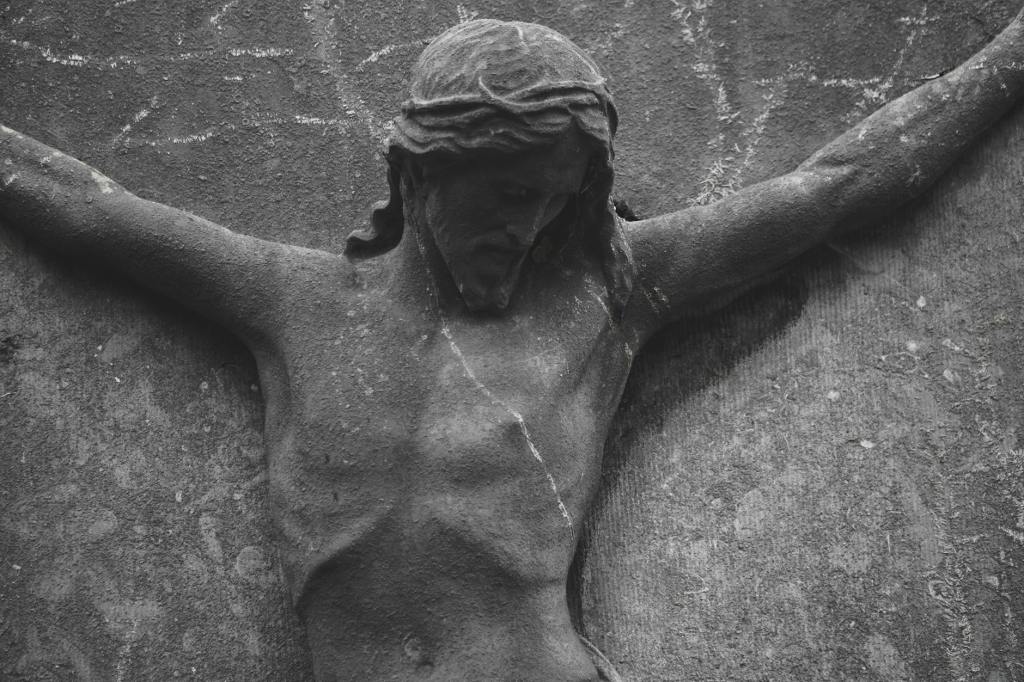
When it comes to glorifying the Lord, voices need to be heard, because they carry the energy of people’s love outwards to others, to those who are nearby and those further afield, and to those who may not even know about God’s love yet. Voices lifted up in adoration have the capacity to bring change and to soften hearts. God made us so that we can praise him with eloquence, passion and expression, with words of love that fall, full of grace, on the ear. At the start of Holy Week, let’s tap into that core of emotion and authenticity that is the spoken word, and connect to Jesus even more tightly. Jesus is so very close to us, and today we follow him as he rides into Jerusalem, to begin his journey to the cross and his long awaited glorification. We raise our voices in praise, and we say out loud the words that he longs to hear, Hosanna, save us! So this week, may we keep pouring out to our precious Saviour a constant stream of “I love yous,” in whichever way, and whichever language we choose.
“Lord open thou our lips and our mouths shall declare your praise.”
Amen


 Tell Out My Soul
Leave a comment