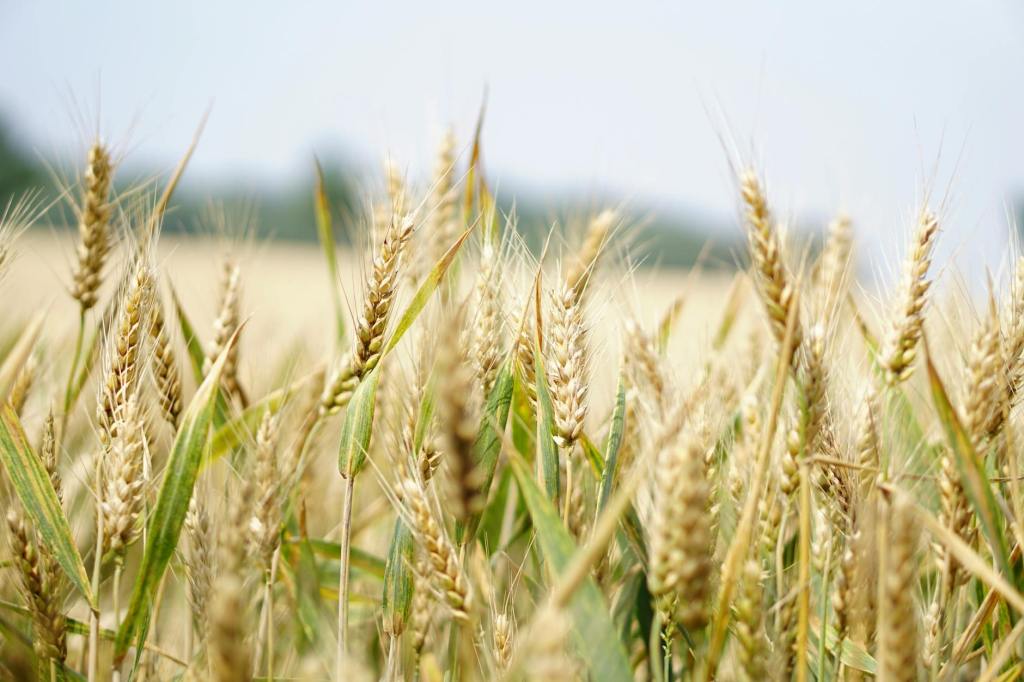
“Those who go out weeping, bearing the seed for sowing shall come home with shouts of joy, carrying their sheaves.”
This promise written by the psalmist tells us that our achievements and attainments do not come easily, because before the harvest, more often than not there will be struggle and suffering. We start out with the seeds, meager and hard won, and then there is the planting, which carries with it worry and concern. Will the season be favourable, or will I lose my crop? The daily work without any guarantee of success is full of tribulation. For many there is no pay day at the end of every week, and sometimes the harvest comes at the end of a long season, sometimes only at the end of one’s life. This psalm tells us that God restores our fortunes and that struggle is not a permanent state of affairs.
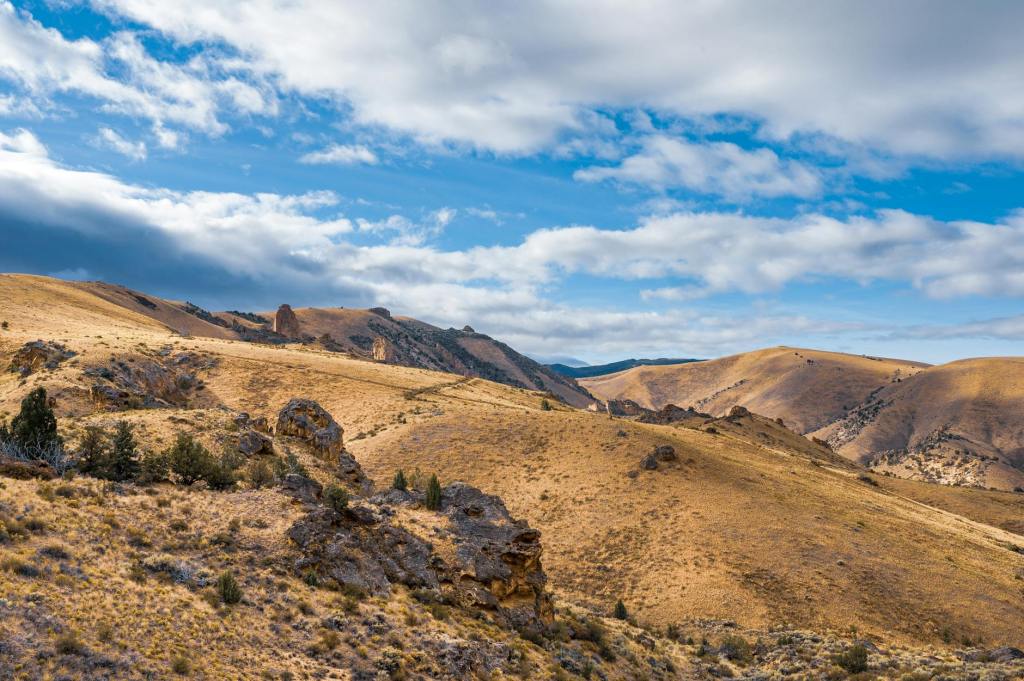
Psalm 126 is one of 15 psalms called Songs of Ascents, that range from Psalm 120 to 134. David wrote four of them and Solomon wrote one; the others’ authors are unknown. The ascending here means the climb to the summit, and in the Bible it is the climb up Mount Moriah to the holy city of Jerusalem. It was part of a pilgrimage that was made by the Jewish people, and they would sing these songs as they ascended the mountain, bringing God’s presence down to them as they sang, giving them confidence and strength as they climbed ever upwards to their destination.
We may not ever be able to visit Jerusalem and make that pilgrimage, but whatever road we walk along, God is with us all along our journey to him, and even though it is difficult, and there is weeping as we sow, God promises us that we will return home shouting with joy, our arms full of the bounty of God’s harvest. There is a motivational saying that goes, “always begin with the end in mind,” and the end is when we reap the rewards of our pilgrimage, and it’s important to keep our destination at the forefront of our minds. The long hard climb to the top will give us the best view of all, that of seeing our Lord face to face; imagine what joy there will be that day.

 Tell Out My Soul
Leave a comment